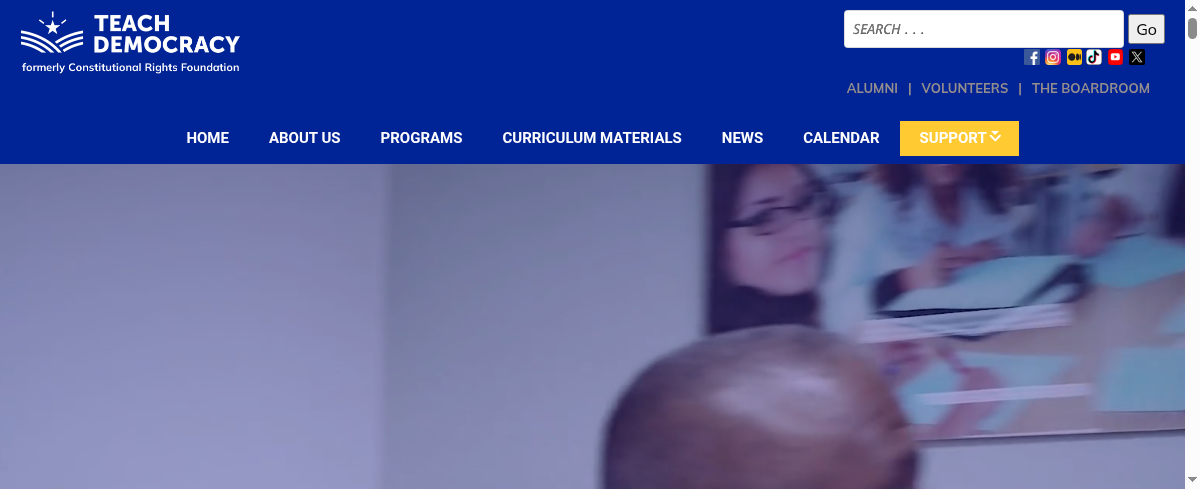
Mock Trial (Constitutional Rights
Foundation) is a youth enrichment program focused on legal reasoning,
advocacy, and civic education. Designed for ages MS/HS (some ES programs
exist), it gives young people structured opportunities to practice realâworld
skills while building confidence and community. Families, schools, and
homeschool groups use Mock Trial (Constitutional Rights Foundation) to add
handsâon learning that complements academics and supports character
development. What do participants actually do? Typical activities include
case analysis and roles (attorney, witness, clerk), scrimmages and
tournaments in real courtrooms, and coaching by attorneys or teachers. These
experiences are intentionally scaffolded so beginners feel successful while
more experienced youth find meaningful challenge. Adults serve as mentors and
facilitators, but the emphasis stays on youth voice, teamwork, and iterative
improvement. Program structure: schoolâbased teams with seasonal case;
county/state finals. Most groups follow a seasonal rhythm with special
events, showcases, or competitions to celebrate growth. Time commitments are
flexibleâmany families start with one meeting per week and occasional
weekend events. Cost and access: registration varies; many grants for public
schools. Organizations increasingly prioritize inclusion, offering
accommodations, loaner gear, and welcoming spaces for newcomers. Safety,
youth protection, and clear codes of conduct help create a positive climate
for all participants. Outcomes: public speaking, critical thinking, and
teamwork. Getting started is straightforwardâdownload the season case;
recruit a coach and team; schedule scrimmages and compete. Whether you’re a
parent, educator, or community leader, Mock Trial (Constitutional Rights
Foundation) provides readyâtoâuse curriculum, supportive networks, and
memorable experiences that spark lifelong curiosity and leadership. Many
families appreciate that programs can be tailored to individual interests and
schedules, with clear progression pathways and recognition for growth.
Coaches and volunteers receive training and planning guides, so adults feel
prepared even if they are new to the subject. Learners set goals, reflect on
progress, and document projects for portfolios or award applicationsâuseful
evidence for homeschool transcripts and classroom showcases alike.
Find More Resources Like This
Browse related learning resources and providers on Learn Like This.
Find what fits your learner.
Search resources, start with a learning need, explore planners, or take a quiz to narrow down your options.
Looking for something specific?
Search our directory by subject, learning need, grade, resource type, or provider.
Find More Resources
Browse curriculum, classes, tutoring, learning tools, educational programs and support resources.
Browse Resources →
Start With the Need
Not sure what type of resource to look for? Start with the skill, challenge, or learning need instead.
Find Support →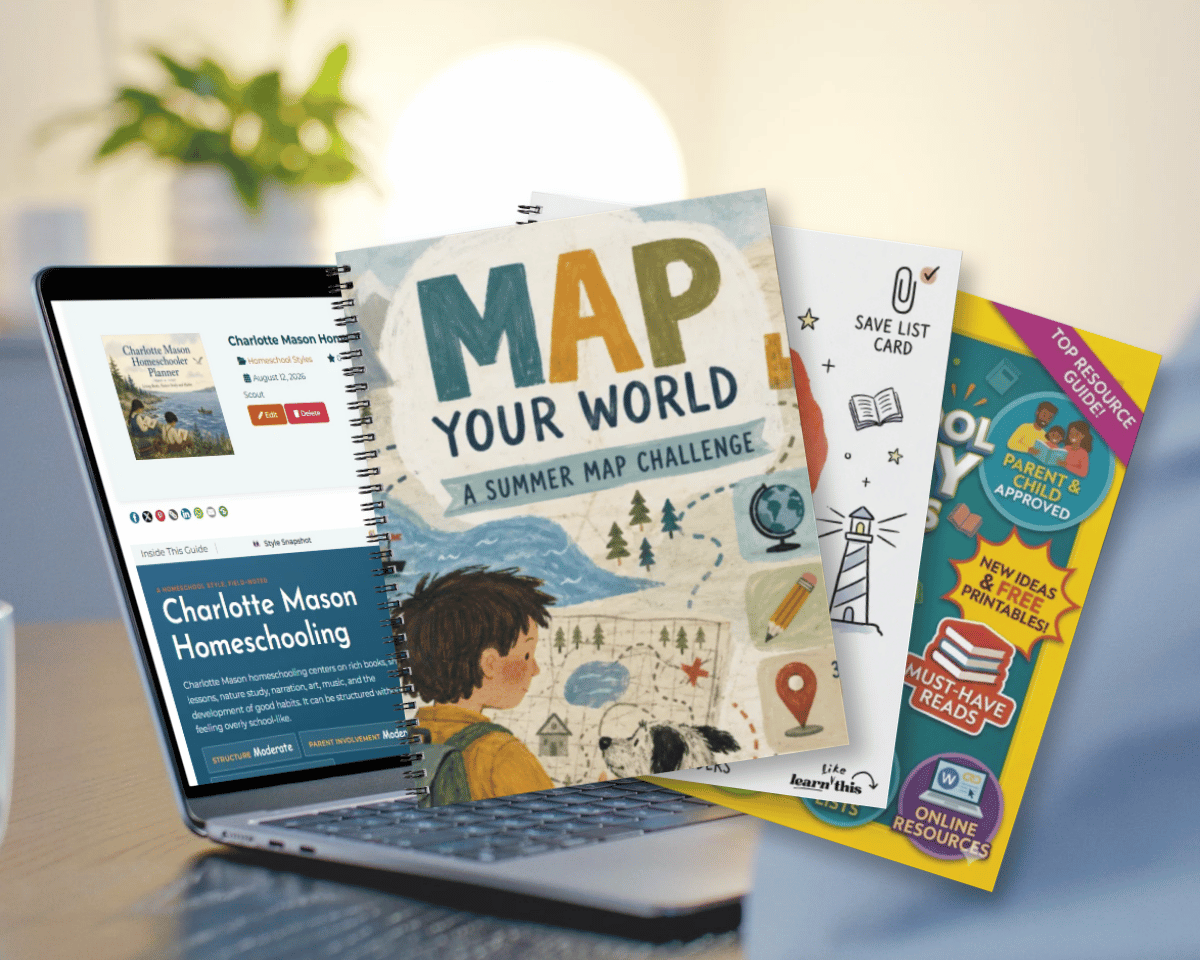
Create Your Own Planner
Collect and organize resources in one place, build a plan around your learner’s needs, and share it if you choose. Or explore planners created by others.
Create or Explore Planners →
Take a Learning Quiz
Not sure which homeschool approach or curriculum style fits? Use our quizzes to narrow the options and discover a better match.
Find help by learning need
Sometimes it is easier to start with what your learner needs help with rather than knowing exactly what type of resource to search for.
Compare providers side by side.
Found a few options you like? Look for the Compare selector at the top of provider pages. Select the providers you want to compare, then review your options together to see which may be the best fit.
Find Providers to Compare →