
Welcome to the world of homeschooling in Alaska! The Last Frontier offers one of the most flexible and parent-friendly homeschooling environments in the country. With minimal state regulations, you have the freedom to design an education that perfectly fits your family’s unique needs and lifestyle.
1. Legal Requirements and Options
In Alaska, children between the ages of 7 and 16 must be educated. The state offers a few different options for families who wish to homeschool:
Learn more at lam.alaska.gov/homeschooling
🌐 Homeschool Statute
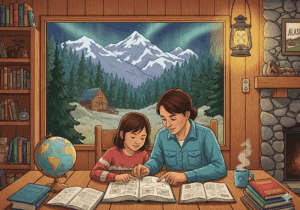
As an independent homeschooler, a parent or legal guardian can educate their own child. This option requires no notification to the state, no standardized testing, and no specific curriculum to be followed.
👥 Correspondence Programs
Students can enroll in state-funded public correspondence programs. Certified teachers work with families to create an Individual Learning Plan (ILP). Programs are required to administer standardized tests for grades 3 through 10, though parents can opt out.
🏫 Private School
A parent can establish their home as a private school. This option requires annual reporting to Alaska DEED, maintaining records for 180 days of attendance, and administering standardized tests in grades 4, 6, and 8.
👩🏫 Certified Tutor
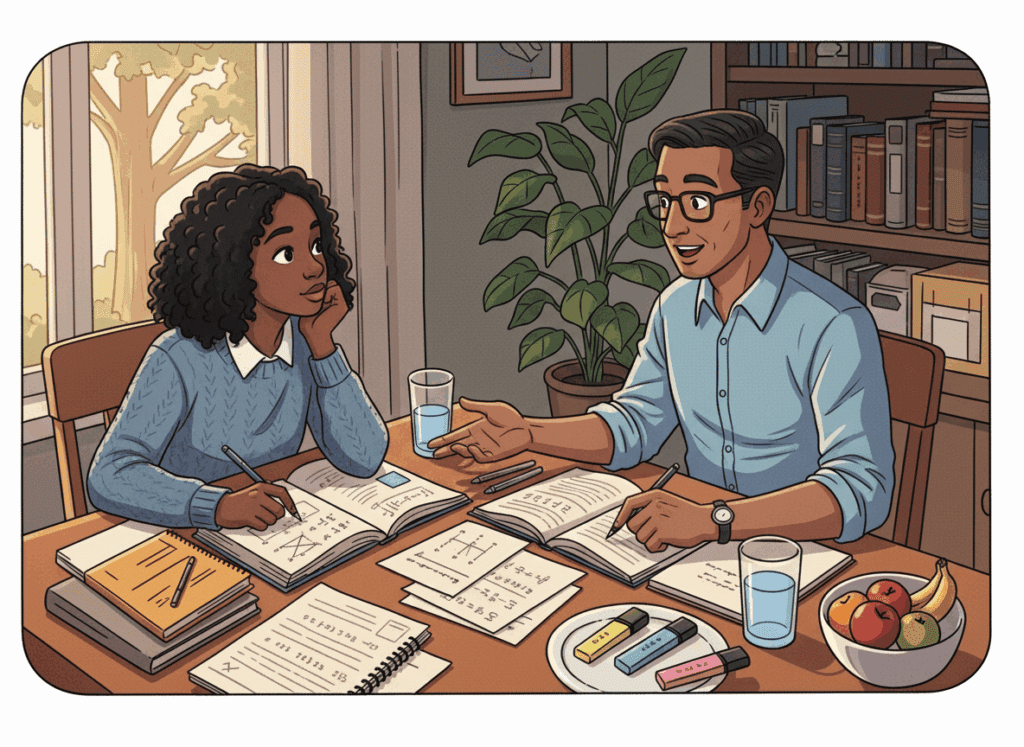
A child may be instructed at home by an Alaska-certified teacher. This option can be tailored to the student’s pace and learning style.
2. State-Provided Funding (Allotment)
Families who enroll in a public correspondence program may receive a state-funded allotment for approved, non-sectarian educational items and services (curriculum, supplies, vendor services). Funds are handled via reimbursement or vendor payments through the correspondence school. Learn more at alaskapolicyforum.org/csap.
3. Sports and Extracurricular Activities
Students enrolled in a public correspondence program may be eligible to participate in interscholastic sports and extracurricular activities at their local public school, provided they meet district requirements.
4. Connecting with the Community

🌐 Online Homeschool Groups
Search your location on LearnLikeThis.com or search social media platforms to find active local groups, meetups, and resource swaps.

👥 Local Co-ops & Classes
Co-ops share teaching responsibilities and provide group classes. Look for information on community bulletin boards, at local libraries, or through online forums.

🏢 Community Centers & Public Resources
Your local public library or community center can be a great place to meet other families. They often host children’s programs, workshops, and educational events that attract homeschooling families.

🗻 Embrace Field Trips
Take advantage of Alaska’s natural and cultural resources. Visiting local museums, nature centers, and parks is a great way to connect with families who share your interests.
5. Curriculum and Resource Ideas
When choosing educational materials, many homeschooling families explore a variety of options to find what works best for their children’s learning styles and interests.

💻 Online Learning Platforms
Consider interactive resources to supplement your curriculum or full online school programs.

📚 Unit Studies
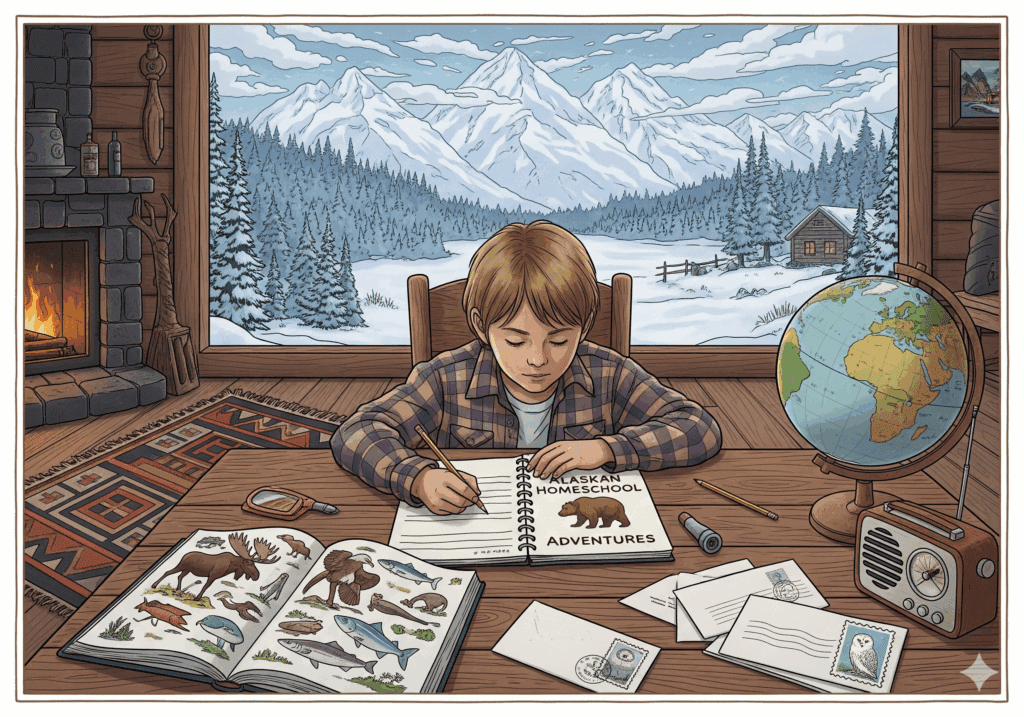
Teach multiple subjects around a central theme (e.g., “Alaska Wildlife” or “The Gold Rush”) to build coherence and engagement.

🏛️ Public Library Resources
Libraries offer books, audiobooks, databases, and kids’ programs — many free and curated.

🎯 Experiential Learning
Incorporate life skills (gardening, cooking, budgeting) and local fieldwork for real-world practice.
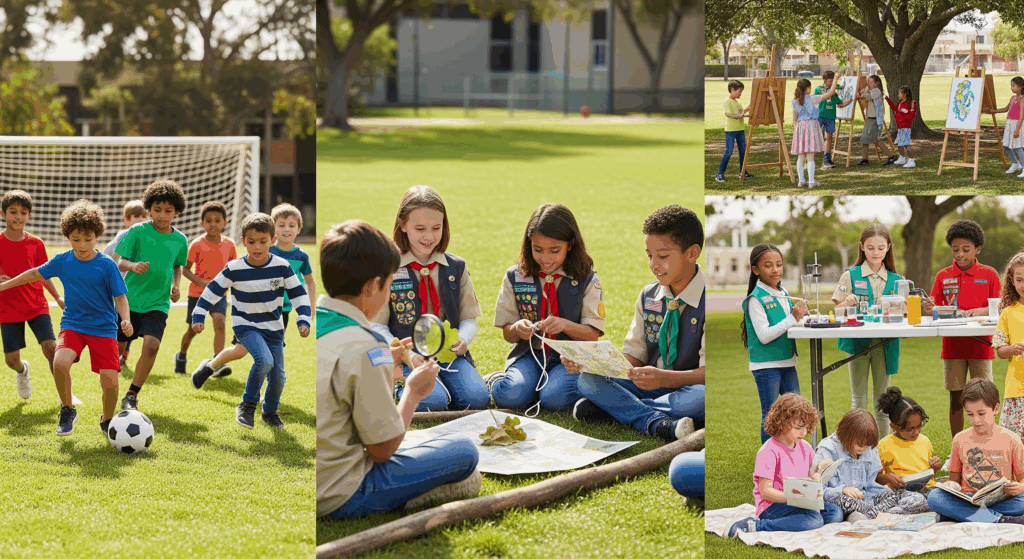
⭐ Enrichment Programs
Beyond academics, structured enrichment can build confidence, teamwork, and practical skills — from outdoor adventures to STEM labs and creative arts.

Author: Scout
This is the Learn Like This team.